Motion Control

Focused route

Using motion control higgsfield without guesswork

motion control higgsfield is best approached as a focused product route rather than a universal video workflow. This guide explains where it fits, what to test first, and when a broader motion control path is more suitable.

3
starting steps
6
comparison attributes
4
practical limits
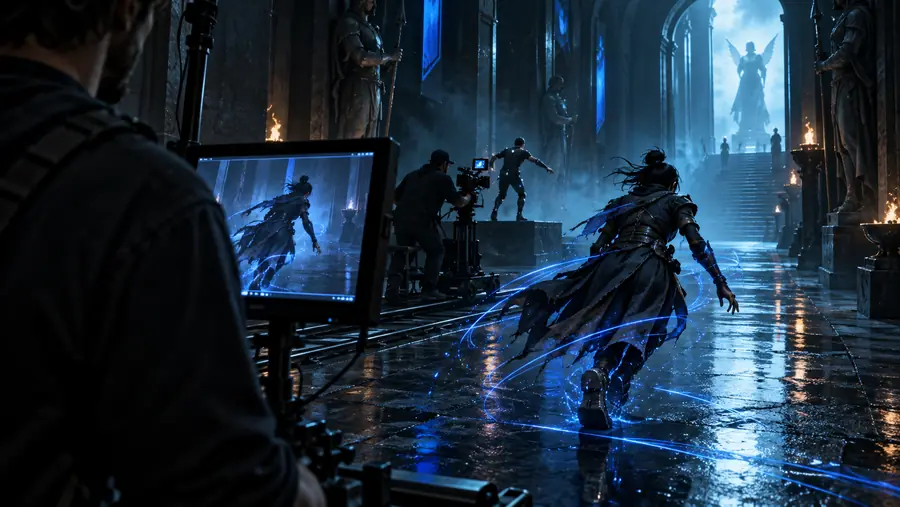
A cinematic motion-control scene displayed in a video workspace

Related routes

Choose the closest motion control path

These sibling guides cover nearby routes, versions, and workflows so you can compare the right starting point before committing to a process.

Reality check

The 3 things only it does

A focused route can reduce decision noise, but it should not be mistaken for a complete production system. These are the boundaries to keep visible.

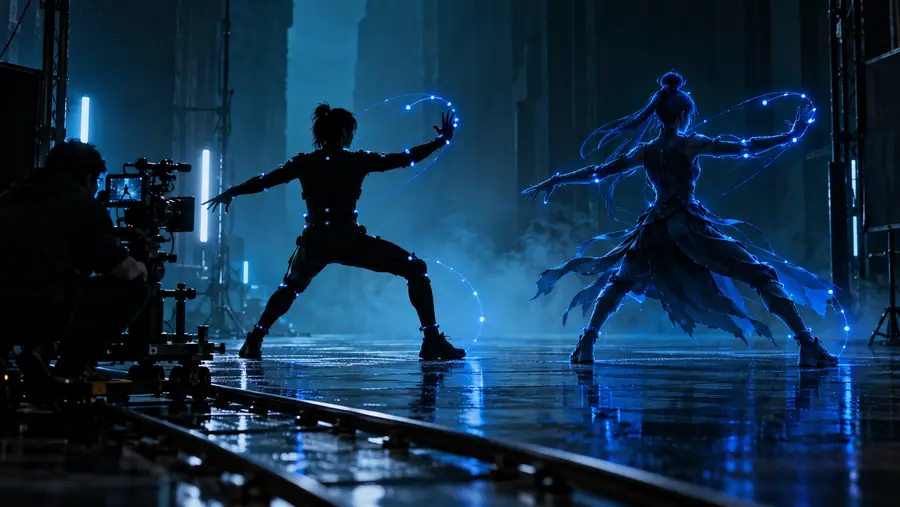
It does not replace a source performance

A motion control route can guide or transfer movement, but it cannot invent a convincing acting reference for every shot.

Workaround

Prepare a short, readable source clip with clear body direction and one primary action.
It does not guarantee a stable character

Identity, clothing, limbs, and props may drift when the movement is complex or the source framing changes.

Workaround

Use a consistent subject, simplify the first test, and inspect hands and edges before expanding the scene.

It does not solve the whole edit

Motion control addresses movement generation or transfer, not the full job of pacing, continuity, sound, and final grading.

Workaround

Treat the output as a shot or iteration, then finish the sequence in your normal editing workflow.

It does not make every comparison equal

A Higgsfield result and a general motion control result may use different inputs, settings, or defaults.

Workaround

Hold the subject, action, framing, and evaluation criteria steady when comparing routes.

First pass

How to start

Start with a narrow test that makes movement easy to judge. A small, controlled comparison is more useful than a complicated prompt with several simultaneous actions.

  1. 1

    Choose one movement

    Pick a single action such as a turn, step, gesture, or camera-facing pose. Avoid combining a full dance, prop interaction, and scene change in the first attempt.

  2. 2

    Prepare a readable reference

    Use a source with visible joints, steady framing, and enough contrast to separate the subject from the background. Keep the intended motion easy to describe.

  3. 3

    Review the transfer

    Check pose timing, body shape, face consistency, hands, and background stability. Save the strongest variation before changing only one variable.

Guide at a glance

A compact test plan

These figures describe the structure of this guide, not guaranteed product performance. They keep the first evaluation small enough to compare honestly.

to define, prepare, and review a first test
3 steps
used in the side-by-side route comparison
6 attributes
to check before building a larger sequence
4 limits

Visual check

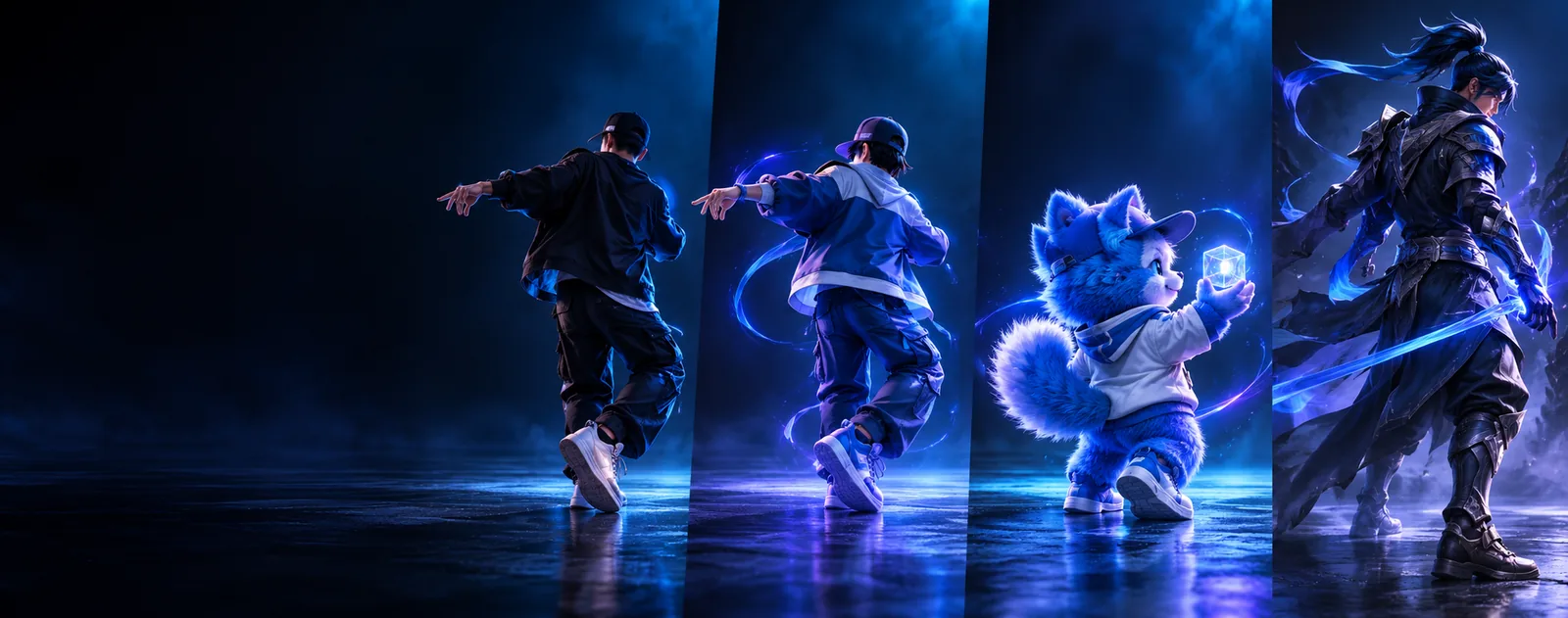
From reference to controlled result

The useful question is not whether a frame looks impressive in isolation. It is whether the output preserves the intended action while keeping the subject and scene coherent.

Reference view for a Higgsfield motion control workflow Reference
Generated motion-control result shown as a finished scene Motion result
Compare movement first, polish second.

Who it suits

Good starting points for different creators

The focused route is most useful when the goal is a clear movement test. Each scenario below points to a nearby guide when another path better matches the job.

Short-form creator

You want one recognizable gesture or turn for a social clip without designing a complete sequence first.

Start with a compact reference and judge the result by pose clarity, timing, and subject consistency.

kling motion control

Animation experimenter

You are testing whether a character can follow a human movement before investing in a longer scene.

Keep the character, camera, and action simple, then compare the transfer against the same reference.

kling 2.6 motion control

Version evaluator

You need to compare a focused Higgsfield route with a newer model-oriented workflow.

Use identical source material and document what changes in motion, consistency, and controllability.

kling 3.0 motion control free

Previsualization artist

You need a quick movement study before committing to a more detailed visual-development pass.

Treat the output as a blocking reference, not as a finished replacement for editorial and continuity work.

kling motion control

Route comparison

This entry point vs the general one

The distinction is about starting context and evaluation, not a promise that one route wins every shot. Use the left column when the Higgsfield context matches your intended experiment.

Higgsfield-focused route
General motion control route

Starting context

Higgsfield-focused route

Begin from a Higgsfield-oriented workflow question.

General motion control route

Begin from the movement problem without a named product context.

Best first test

Higgsfield-focused route

A focused subject-and-motion experiment.

General motion control route

A broader comparison across tools, models, or source types.

Decision speed

Higgsfield-focused route

Fewer initial choices when the route already matches your tool interest.

General motion control route

More choices, which can help when requirements are still unclear.

Transfer target

Higgsfield-focused route

Evaluate whether the chosen route preserves a specific action or pose.

General motion control route

Evaluate motion behavior across several possible pipelines.

Comparison fairness

Higgsfield-focused route

Works best when Higgsfield is tested with a fixed reference and fixed criteria.

General motion control route

Works best when every route receives equivalent inputs and review rules.

Production role

Higgsfield-focused route

Useful for ideation, blocking, and focused motion studies.

General motion control route

Useful for selecting a wider workflow before production begins.

Next test

Turn one movement idea into a useful comparison

Bring a single action, a readable reference, and one clear evaluation question. The goal is not to force every shot through one route; it is to learn quickly whether this focused workflow fits your project.

Test the workflow
  • Use one primary movement
  • Keep the reference easy to inspect
  • Compare results with the same criteria

FAQ

Its own FAQ

Answers to the questions people commonly ask when comparing Higgsfield with Kling-related motion control routes.

It refers to using a Higgsfield-oriented workflow to create or assess controlled movement in a video scene. The practical test is whether a chosen reference action carries through with enough pose clarity and subject consistency for your use case.

There is no universal winner because results depend on the reference, subject, framing, and evaluation goal. Compare the same short movement under equivalent conditions, then judge control, consistency, and editability rather than relying on a single showcase frame.

No. Complex actions, occluded limbs, fast changes, props, and unstable framing can reduce consistency. A simple, readable reference is the better starting point, followed by gradual increases in motion complexity.

It can be useful for ideation, blocking, short clips, and movement studies, but it does not replace editing, continuity review, sound, or final grading. Treat each output as a shot to inspect rather than assuming it is production-ready.

Start creating
Start creating