A vague movement brief
“Make it cinematic” does not specify what should move, how far, or at what rhythm.
Workaround
Name one action, such as a walk, turn, wave, step, or camera-facing gesture.
Kling 3.0 workflow
Use this kling 3.0 motion control free guide to organize your reference clip, subject image, and motion-control brief before handing the workflow to the product.
Start prepared
A clean setup makes motion control easier to judge. Prepare the visual inputs and define one movement before you test variations.
“Make it cinematic” does not specify what should move, how far, or at what rhythm.
Workaround
Name one action, such as a walk, turn, wave, step, or camera-facing gesture.
Several people, cuts, fast occlusion, or changing viewpoints can make the intended motion difficult to isolate.
Workaround
Start with one visible performer, a continuous shot, and a clearly readable action.
A subject image with a different pose, crop, or angle may not align cleanly with the reference movement.
Workaround
Use a full-body or similarly framed image with visible limbs and a simple background.
Search intent around a free workflow does not establish current pricing, account requirements, model availability, or regional access.
Workaround
Check the destination shown after handoff and confirm its current terms before preparing a larger batch.
Guided process
Keep the first test narrow: one source movement, one subject, and one deliberate change at a time.
Choose a continuous reference clip with the desired movement and a subject image whose pose and framing are easy to read.
State what motion should carry over, what must remain stable, and whether the framing should stay close to the source.
Check body continuity, hands, feet, face, clothing, and background edges before trying a new prompt or reference.
Related routes
Use these nearby pages when your starting point, model version, or comparison question changes.
Visual check
The pair below frames the intended transformation as a visual before-and-after: a source subject first, then the same subject carrying the selected movement.
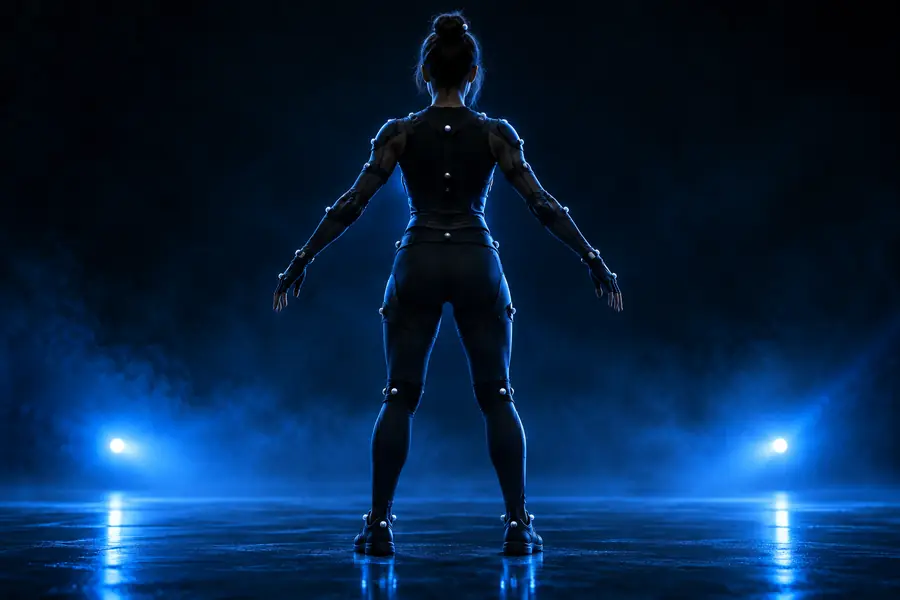 Reference
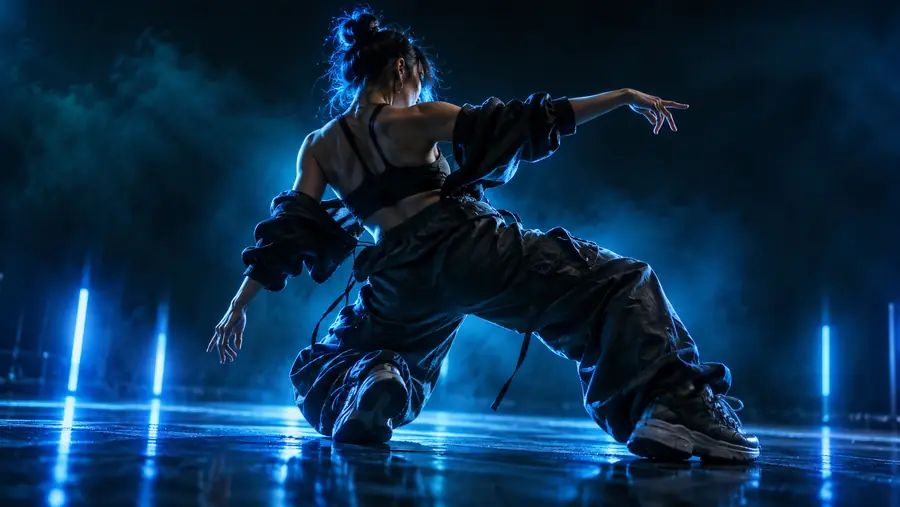 Motion result
Decision guide
This side-by-side view separates a focused Kling 3.0 test from a manual motion-control edit. It is a planning comparison, not a claim about guaranteed output or access.
Starting material
Kling 3.0 motion-control test
A subject image plus a selected movement reference
Manual motion-control edit
Recorded footage, keyframes, or hand-built animation
Motion direction
Kling 3.0 motion-control test
Describe the action to transfer and the parts to preserve
Manual motion-control edit
Set or refine movement directly across the timeline
Best first test
Kling 3.0 motion-control test
One performer and one continuous movement
Manual motion-control edit
A short shot where manual control is practical
Iteration focus
Kling 3.0 motion-control test
Change one prompt, reference, or framing choice at a time
Manual motion-control edit
Adjust keyframes, masks, timing, and compositing layers
Identity control
Kling 3.0 motion-control test
Inspect face, clothing, silhouette, and limb continuity after generation
Manual motion-control edit
Protect identity through masks, tracking, and controlled edits
Failure recovery
Kling 3.0 motion-control test
Simplify the reference or request a narrower action
Manual motion-control edit
Trim the shot, add keyframes, or repair problem frames manually
Access question
Kling 3.0 motion-control test
Verify current model availability and destination terms
Manual motion-control edit
Depends on the editing software and assets already available
Practical uses
Different creators need different levels of control. Each route below points to a related page when the job moves beyond this version-focused guide.
You want to transfer a readable walk, turn, or gesture onto a still character design.
Begin with a single full-body action and use the kling motion control route for broader workflow context.
kling motion controlYou need to understand how an earlier Kling entry point fits into your test plan.
Review kling 2.6 motion control before deciding which version-specific workflow to investigate.
kling 2.6 motion controlYou are comparing adjacent products for motion transfer experiments and visual references.
Use motion control higgsfield as a separate comparison path rather than assuming identical controls.
motion control higgsfieldNext experiment
Take a simple reference clip, a clearly framed subject, and one specific action into the destination workflow. Keep the first pass small so you can tell whether the motion, identity, and framing are working.
Open the workflowCommon questions
These answers address the two search themes behind this page: access to a free workflow and what the Kling 3.0 motion-control term refers to.
A search phrase alone does not confirm current pricing, credits, account requirements, or model access. Check the destination workflow for its live terms before relying on it for a free production process.
It refers to a motion-transfer workflow associated with the Kling 3.0 model context, where a reference movement is used to guide a subject. The practical test is whether the result preserves the intended action while maintaining subject identity and scene continuity.
Possibly, depending on the destination's current access policy, account rules, and available usage. This page does not promise a free tier; verify the terms shown when the workflow opens.
Prepare a clearly framed subject image, a continuous reference movement, and a short description of what should transfer. Keeping the first test to one action makes failures easier to diagnose.